
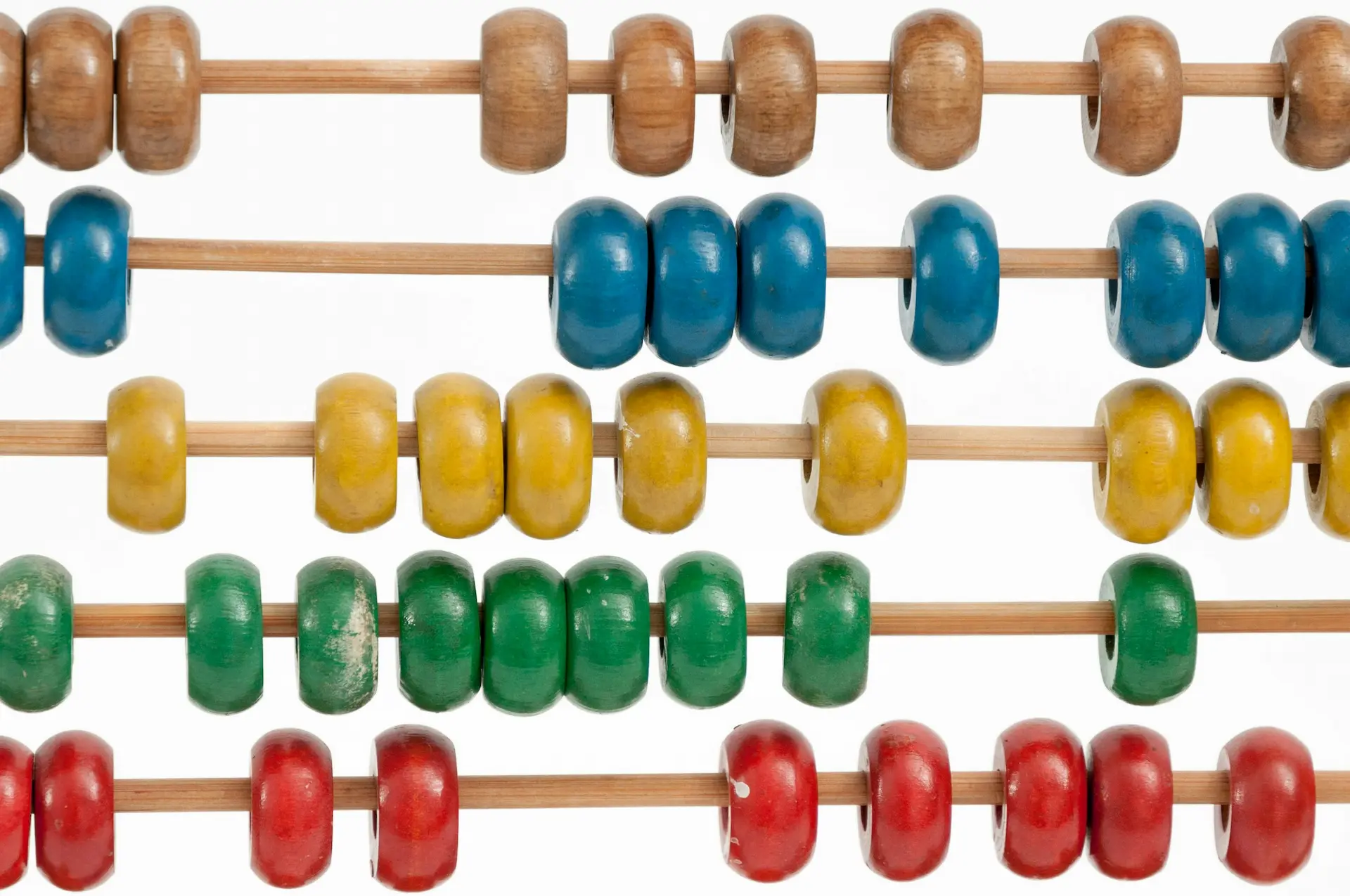
Abacus Maths for Kids in South Africa: What it Does to a Child’s Brain (And Why Parents Are Paying Attention)
Most parents who’ve heard about abacus maths for kids in South Africa picture small fingers sliding beads around, and wonder if it’s really worth the fuss. The short answer is yes, but not for the reasons you might expect.
When it comes to abacus maths for kids in South Africa, the abacus itself is almost a side note. What it does to the brain underneath is the real story. A child doing abacus work is simultaneously training a visuospatial skill alongside a numerical one. Research published in peer-reviewed neuroscience journals has found that abacus-based mental calculation produces measurable changes in the brain’s frontal-parietal and occipital-temporal networks, the same regions responsible for attention and working memory as well as visual-spatial reasoning. That combination is why abacus for children is increasingly described as whole-brain training (though the science is more specific than that phrase suggests). When a child works with an abacus, they build and use a mental image to calculate. That’s different from both hemispheres simply switching on equally; it pulls in brain networks that rote arithmetic doesn’t reach.
Abacus Maths for Kids in South Africa: What “Mental Abacus” Actually Means
The physical bead frame is the starting point, but it isn’t the destination. As a child progresses, they internalise the bead patterns until they no longer need the frame at all. You might notice a child’s fingers moving imperceptibly mid-calculation. That’s the mental abacus at work. They’re manipulating an imagined image to arrive at a real answer. It is this internal visualisation skill that transfers to concentration and working memory, building the kind of number sense that makes mental maths feel instinctive instead of stressful.
Abacus Benefits for Kids: What the Research Actually Supports
The evidence regarding abacus benefits for kids is clearest for arithmetic, number processing, working memory, and visuospatial tasks. There are also studies linking abacus practice to improved attention and classroom concentration, which makes sense given how much focused mental effort the method demands. Claims about broader gains, such as reading or general intelligence, are less certain and need stronger evidence. The honest case for abacus classes for Johannesburg children is still a compelling one: stronger maths foundations and better working memory alongside sharper concentration, which is already a significant return.
When to Start Abacus Maths for Kids in South Africa and What to Expect
For most children, ages 4 to 7 represent the optimal window. The younger brain is forming the neural connections most receptive to this kind of structured visualisation training, though older children can still learn it too. That said, readiness matters more than age. In order to be successful, the child will need to recognise numbers and be able to follow simple instructions.
In the first few months, parents should expect repetition, covering bead values, place value, and basic addition and subtraction, before any speed appears. Early signs of progress tend to be more subtle than expected, like better counting and slightly longer attention spans during lessons. Mental maths fluency takes longer, typically several months of consistent practice, but when it arrives it tends to be obvious.
Brain development and maths confidence are long games. The abacus just happens to be one of the most effective tools available for playing them well.
FasTracKids Sandton offers abacus maths as part of its enrichment programme. Contact us to find out more or book a visit.