
Multi-Sensory Learning: Why Engaging More Senses Helps Kids Learn Better
Children rarely learn by listening alone. In early education, they learn as they look, talk, move, build, play, compare and explore. Multi-sensory learning brings these experiences together so new ideas are easier to understand and remember. Adding noise or activity for its own sake is not the goal. Each sense should help children connect with the idea being taught.
What Is Multi-Sensory Learning?
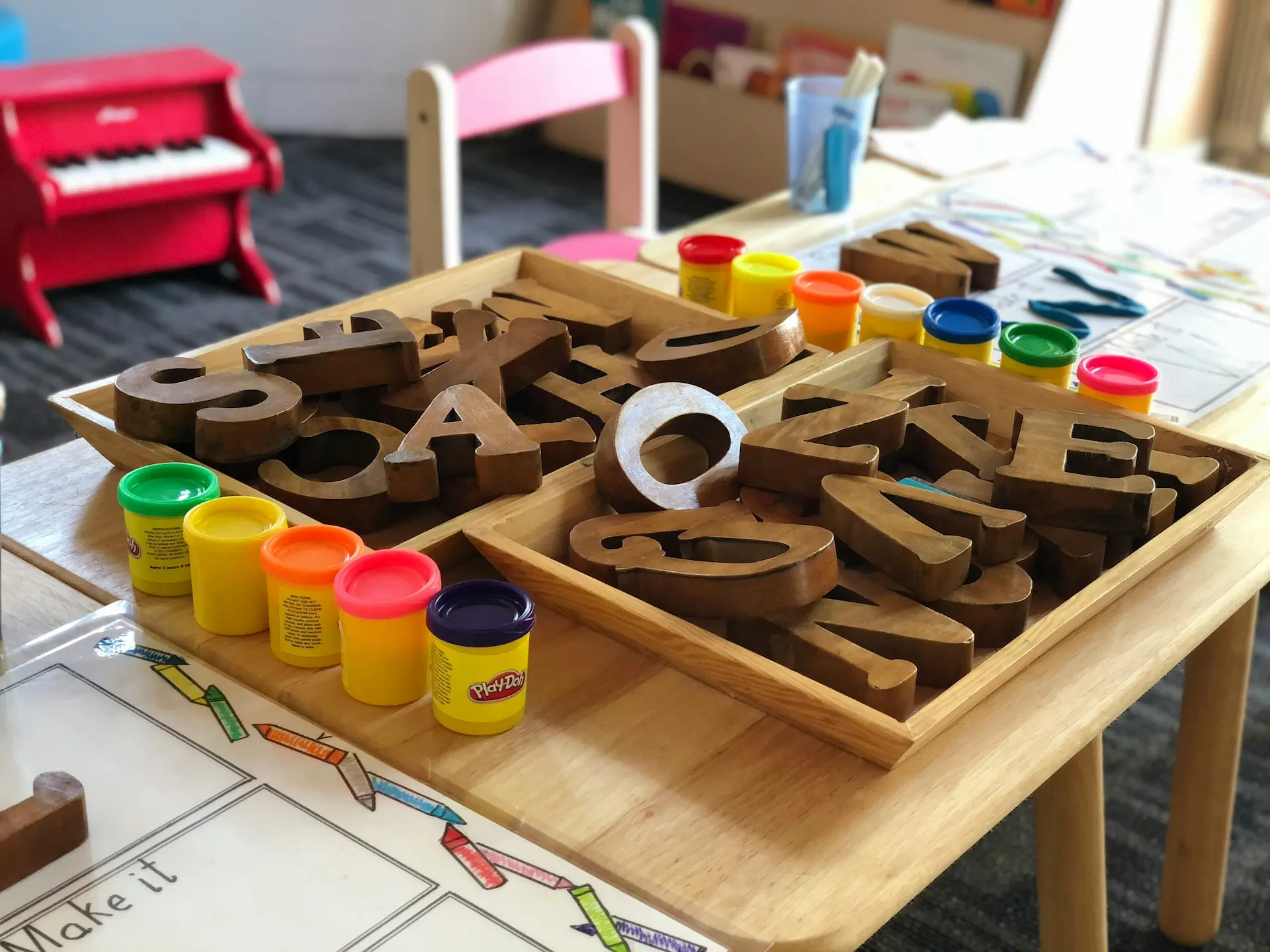
Multi-sensory learning means teaching through more than one sense, often combining sight, hearing, touch and movement (in some instances, even taste and smell). For example, a child who is learning about shapes might see a picture, hear the shape named, trace it with a finger and build it with blocks. The different experiences reinforce one another.
Multi-sensory learning is useful in early childhood because young children are still building language and understanding of abstract ideas. Concrete experiences give them something to describe and think about.
Why Can Multi-Sensory Learning Support Retention?
When a child hears an idea and sees it, then acts on it, they have more than one meaningful cue to help recall it later. A study of children aged five, seven and nine found that multi-sensory cues supported retention in a category-learning task. This doesn’t mean every lesson needs a pile of materials, or that more stimulation always means more learning. The strongest multi-sensory learning techniques connect each activity to a clear learning goal.
What Might It Look Like in Class?
At FasTracKids, a theme can be explored through a sequence of visual, spoken and hands-on activities. For a transport topic, children might hear a story about journeys, build a small boat and test whether it floats, then paint a map or traffic sign and count wheels in a maths game. They’re seeing, listening, talking, creating and testing ideas as they go.
This learning approach, which we call “Educational Zigzagging”, moves between different kinds of activity while returning to the same theme so children can “meet” an idea in several ways and make connections across subjects.
See Our Multi-Sensory Approach in Action
Try Multi-Sensory Learning at Home
Keep it simple and follow your child’s interest. Read a story, then act out a scene or draw what happened. Practise counting by sorting fruit or toys, and form letters in flour or trace them in the air while saying their sounds. Ask open questions, like “What do you notice?” or “What do you think will happen?”, to invite language and reasoning.
Remember, everyday play and exploration can help children revisit ideas in a relaxed way. FasTracKids’ methodology uses purposeful, interactive activities to make learning engaging and meaningful.
Looking for a school that embraces multi-sensory learning from the get-go? Enrol at FasTracKids today.