
Abacus Mathematics: Why This Old Technique Still Builds Strong Number Sense
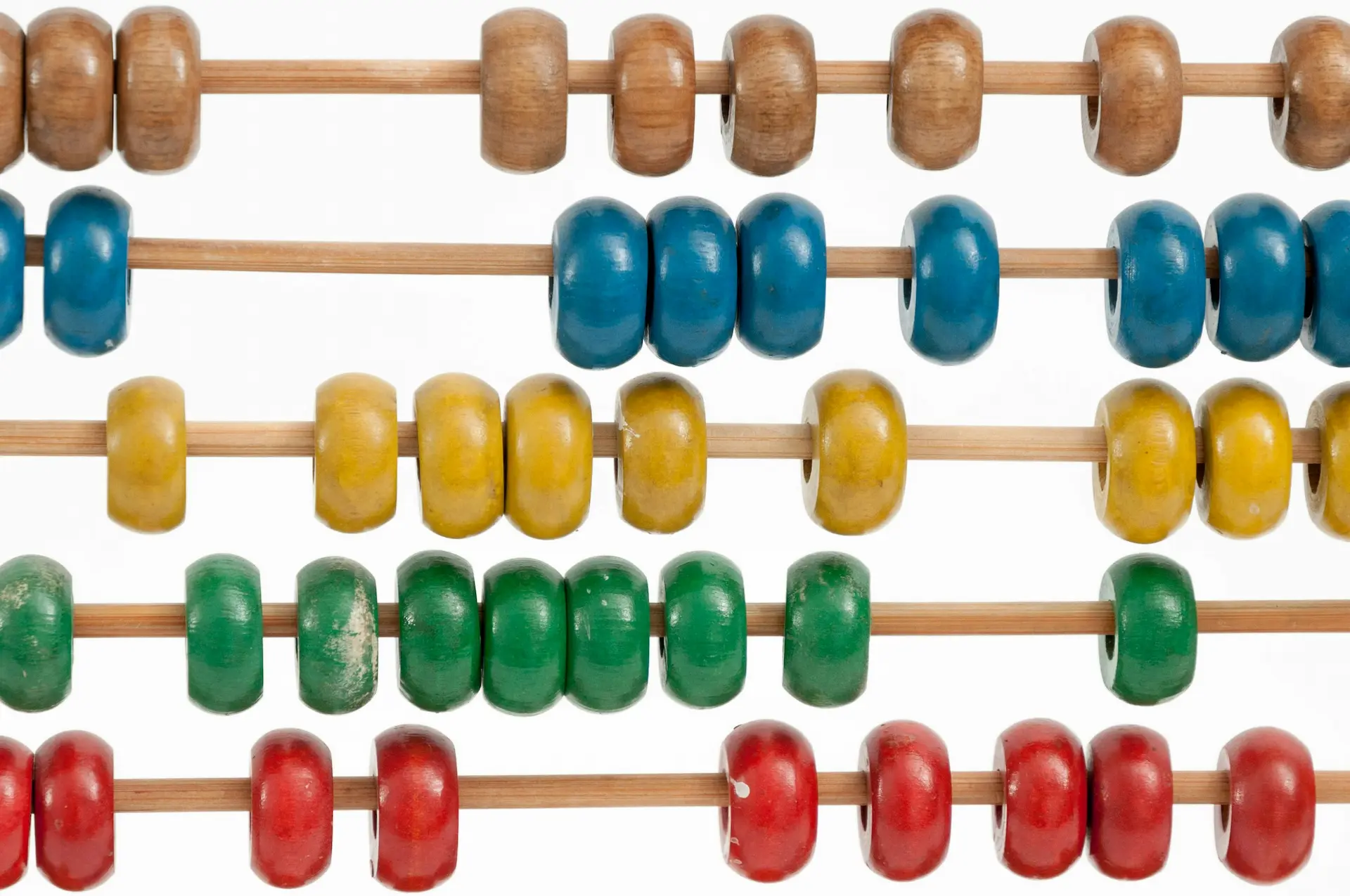
An abacus, a centuries-old calculating tool, may look like a simple row of beads, but it gives children a unique way of ‘seeing’ numbers and how they relate to one another. That’s one reason abacus mathematics still has a place in early maths learning and at FasTracKids Sandton.
How Abacus Mathematics Builds Number Sense
When children move beads, they can see a number take shape. They begin to connect a numeral with a quantity, notice how numbers can be grouped and explore what happens when they add or take away. Instead of relying only on counting aloud, they use their hands and eyes to work with numbers. This hands-on practice can make ideas such as place value and number combinations more concrete. With guidance and practice, children may learn to picture the abacus in their minds and use that image to calculate.
A randomised controlled study of mental-abacus instruction found that children receiving this instruction improved on arithmetic tasks compared with a control group. That doesn’t mean every child will learn in the same way or at the same pace, but it shows how visual, structured practice can support calculation skills.
When Can Children Start with Abacus Mathematics?
There isn’t one starting age that suits every child. Some abacus mathematics programmes introduce early number concepts to children around the age of three or four, while formal abacus instruction may begin closer to ages five to seven. Ideally, before getting started, the child should be able to recognise some numerals, follow simple instructions and engage with short, guided activities.
Skills That Can Carry into Primary School
Regular abacus maths practice gives children a structured way to work through addition and subtraction, and later, more advanced operations. They learn to follow steps, as well as to keep trying when a problem takes time. These habits can be useful in primary school, where maths builds from one concept to the next.
Learn About Our Abacus Maths Classes
What Happens in an Abacus Maths Class?
A class usually combines instructor guidance with plenty of practice. Children learn a technique and try it with a physical abacus, repeating it until the movements and number patterns become more familiar. The pace and level should suit the child’s stage, with encouragement to focus on understanding rather than racing through answers.
Is Abacus Mathematics Right for My Child?
Abacus classes may suit a child who enjoys patterns or learning through repetition. A child doesn’t need to be “good at maths” already. Curiosity and willingness to try are a helpful starting point; the instructor can guide the next steps.
At FasTracKids Sandton, abacus maths sits alongside a broader approach to learning that values active participation and meaningful understanding. We encourage you to read more about our methodology and explore whether this style of structured practice feels right for your child.